Obstetrician
An obstetrician is a medical specialist focused on pregnancy, childbirth, and postpartum care, ensuring the well-being of both mother and baby. They manage normal and high-risk pregnancies, perform C-sections, painless deliveries, and prenatal screenings, and offer expert guidance on fetal development and maternal health. Obstetricians are trained to handle complications such as gestational diabetes, preeclampsia, and multiple pregnancies, ensuring a safe and smooth delivery process. They work closely with expectant mothers, providing personalized care, from conception to postnatal recovery.

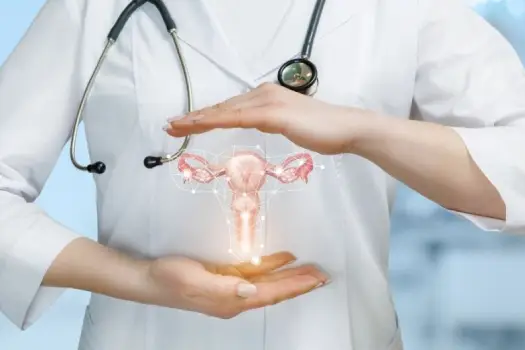
Gynecologist
A gynecologist is a medical specialist focused on women's reproductive health, diagnosing and treating conditions related to the uterus, ovaries, fallopian tubes, and vagina. They provide care for menstrual disorders, PCOD, infertility, menopause, and hormonal imbalances. Gynecologists also perform pap smears, ultrasounds, and minimally invasive surgeries like laparoscopy. They offer contraceptive guidance, prenatal care, and screenings for reproductive cancers. With expertise in both preventive and curative treatments, they ensure women's health at every stage of life.
High Risk Pregnancy
A high-risk pregnancy involves medical conditions that may affect the health of the mother, baby, or both. Factors like high blood pressure, diabetes, multiple pregnancies, advanced maternal age, or previous pregnancy complications can increase risks. Specialized care, including frequent monitoring, advanced screenings, and timely interventions, ensures a safe pregnancy and delivery. Expert management helps prevent complications such as preterm birth, fetal distress, or gestational disorders.

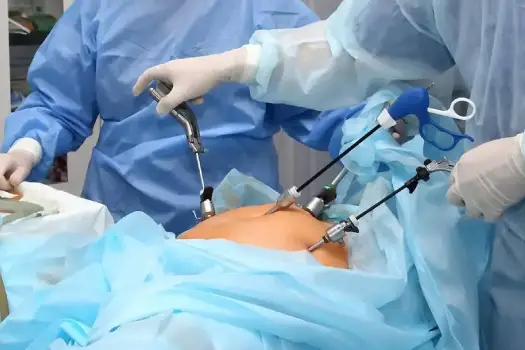
Laparoscopy Surgeon
A laparoscopy surgeon specializes in minimally invasive procedures using a laparoscope, a thin, lighted instrument, to diagnose and treat conditions with small incisions. Commonly performed for gynecological issues, infertility treatments, ovarian cyst removal, endometriosis, and fibroid surgeries, laparoscopy ensures faster recovery, minimal pain, and reduced scarring. This advanced surgical approach is widely used for hysterectomy, tubal ligation, and ectopic pregnancy treatment.
PCOD
Polycystic Ovarian Disease (PCOD) is a hormonal disorder affecting women, leading to irregular periods, weight gain, acne, excessive hair growth, and ovarian cysts. It results from hormonal imbalances that cause the ovaries to produce excess androgens, disrupting ovulation. PCOD can lead to infertility, insulin resistance, and metabolic issues if left untreated. Management includes lifestyle changes, a healthy diet, exercise, and medications to regulate hormones and improve symptoms. Early diagnosis and treatment help in maintaining reproductive health and preventing complications like diabetes and heart disease, ensuring overall well-being.

IVF
In Vitro Fertilization (IVF) is an advanced fertility treatment that helps couples conceive when natural methods fail. The process involves stimulating the ovaries, retrieving eggs, fertilizing them with sperm in a lab, and transferring the embryo into the uterus. IVF is effective for infertility caused by PCOD, blocked fallopian tubes, low sperm count, or unexplained fertility issues. With personalized medical care, hormonal support, and advanced technology, IVF increases the chances of a successful pregnancy. This treatment offers hope to many couples struggling with infertility, helping them achieve their dream of parenthood.
Egg Freezing
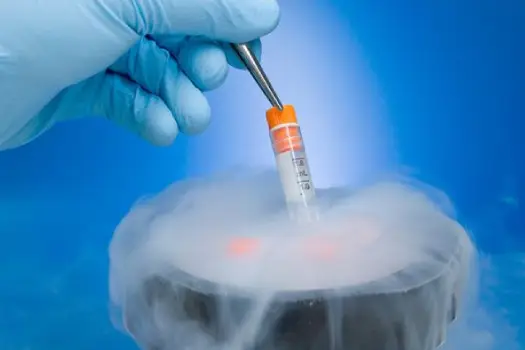
Egg Freezing is a medical process in which a woman’s eggs are extracted, frozen, and stored to preserve fertility for future use. This technique allows women to delay pregnancy until a time that is right for them, whether due to career goals, medical treatments like chemotherapy, or personal circumstances. The frozen eggs can later be thawed, fertilized, and implanted through IVF when the woman is ready to conceive. Egg freezing provides an opportunity to plan motherhood on one’s own terms and is becoming an increasingly popular choice among women who want to take control of their reproductive future.
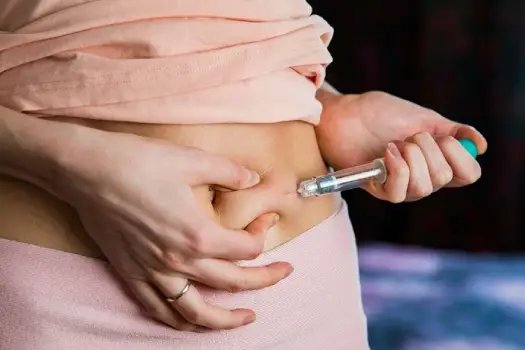
Ovulation Induction
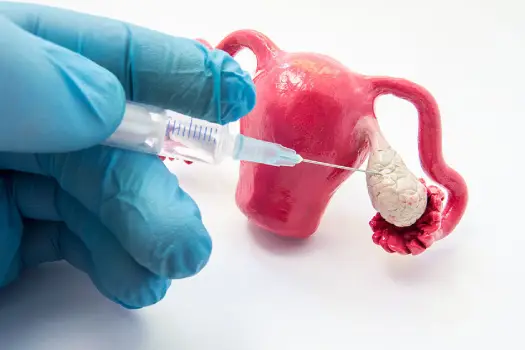
Ovulation Induction is a fertility treatment that stimulates a woman’s ovaries to produce and release eggs. It is often used for women who have irregular or absent ovulation. Medications like Clomiphene Citrate or hormone injections (such as FSH or hCG) are commonly prescribed to encourage the growth and maturation of ovarian follicles. The goal is to increase the chances of pregnancy either through timed intercourse, intrauterine insemination (IUI), or in vitro fertilization (IVF). Ovulation induction is a safe and widely used method that helps many women overcome ovulatory disorders and improve their chances of conceiving naturally or with assistance.
Egg Donor Program
Egg Donor Program is a fertility treatment in which a woman donates her healthy eggs to help another individual or couple conceive a child. This option is ideal for women who cannot use their own eggs due to age, medical conditions, or genetic concerns. In this process, the donor’s eggs are retrieved, fertilized with sperm (from a partner or donor), and the resulting embryo is transferred into the recipient’s uterus. Egg donation is carefully managed and involves medical, legal, and psychological screening. It offers hope and the possibility of parenthood to many who are struggling with infertility.

Cancer Screening
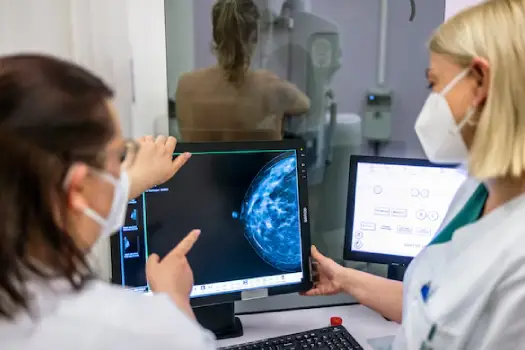
Cancer Screening is the process of checking for cancer in individuals who have no symptoms, to detect the disease at an early stage when it's most treatable. Common screening tests include mammograms for breast cancer, Pap smears for cervical cancer, colonoscopies for colorectal cancer, and low-dose CT scans for lung cancer in high-risk groups. Early detection through screening can significantly improve treatment outcomes and survival rates. Regular cancer screening, based on age, gender, and risk factors, plays a vital role in preventive healthcare and helps in identifying potential problems before they become life-threatening.
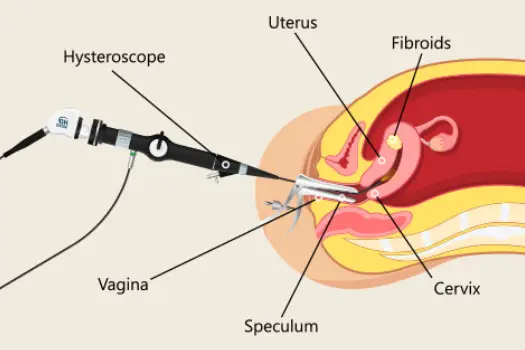
Hysteroscopy
Hysteroscopy is a medical procedure used to examine the inside of a woman's uterus using a thin, lighted tube called a hysteroscope. It is inserted through the vagina and cervix, allowing doctors to diagnose and sometimes treat problems such as abnormal bleeding, fibroids, polyps, or adhesions. Hysteroscopy can be either diagnostic or operative. Diagnostic hysteroscopy helps identify issues, while operative hysteroscopy allows for surgical correction during the same procedure. It is usually performed on an outpatient basis and offers a minimally invasive way to manage various uterine conditions with quicker recovery compared to traditional surgery.